
The Different Types of Rockets Used for Space Memorials
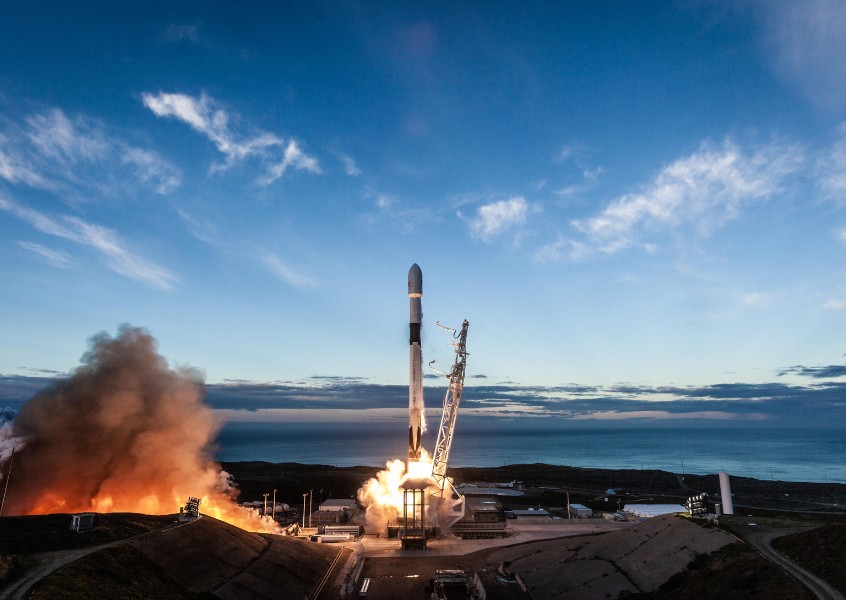
Have you ever wondered what it takes to launch a loved one into space? The idea of sending ashes into space might sound like science fiction, but for many families, it’s a deeply moving and very real way to honor someone’s memory. As space memorials grow in popularity, it’s important to understand the types of rockets that make these final journeys possible.
Since 1997, Celestis has partnered with some of the world’s most trusted launch providers, including SpaceX, United Launch Alliance (ULA), and others, to carry cremated remains into space. These missions are not only emotionally significant, but they are technological marvels. In this article, we’ll explore the different types of rockets Celestis has used for its memorial spaceflights and how each one has helped pioneer a new era of remembrance among the stars.
Pegasus XL: The Rocket That Launched It All (1997)
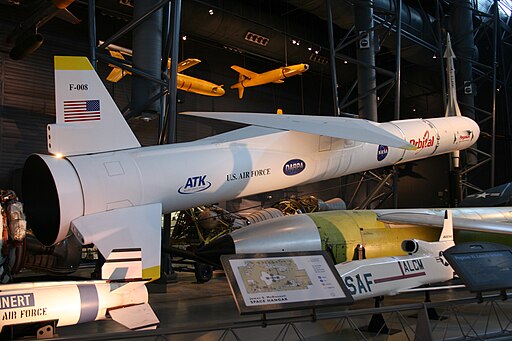
Image Credit: Gary Todd from Xinzheng, China, CC0, via Wikimedia Commons
The story of space memorials begins with the Pegasus XL, a unique, air-launched rocket developed by Orbital Sciences Corporation. In April 1997, Pegasus XL became the launch vehicle for Celestis’ first orbital memorial flight, carrying the ashes of 24 individuals, including Star Trek creator Gene Roddenberry, into Earth orbit.
What made Pegasus XL stand out was its unconventional launch method. Instead of launching from a pad, it was dropped from a modified Lockheed L-1011 aircraft before igniting midair. This marked the first time in history that human remains were sent into space, setting a powerful precedent and opening up a whole new frontier for memorial services.
Athena II: A Journey to the Moon with NASA
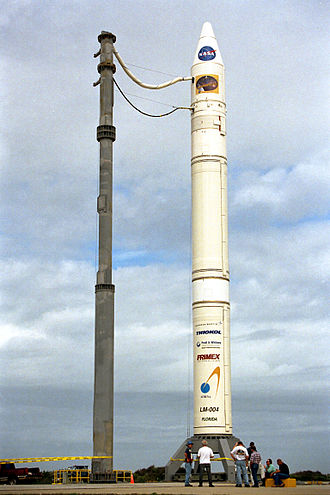
One of Celestis’ most historic collaborations was with NASA’s Lunar Prospector mission, launched in 1998 aboard the Athena II rocket. On this flight, a symbolic portion of planetary scientist Dr. Eugene Shoemaker’s remains was sent aboard the spacecraft, which ultimately impacted the Moon, making Shoemaker the first human to be memorialized on the lunar surface.
This mission showed the versatility of space memorials, not just as orbital journeys, but as lunar tributes that offer a final resting place on another celestial body. The Athena II’s success illustrated how public-private partnerships can extend memorials beyond Earth in meaningful ways.
Taurus Rocket: Expanding Memorial Access in the Late '90s
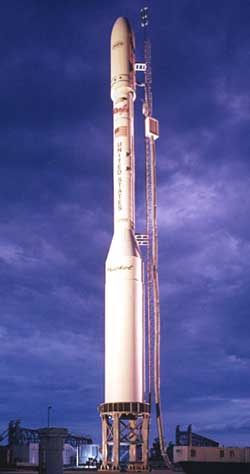
Image Credit: NASA, Public domain, via Wikimedia Commons
Following its initial successes, Celestis launched two additional orbital missions using the Taurus rocket, also developed by Orbital Sciences Corporation. The Ad Astra Flight in 1998 and the Millennial Flight in 1999 carried the remains of dozens of participants, offering more families the chance to take part in this new form of remembrance.
Taurus offered more capacity and helped Celestis establish the reliability and consistency necessary for space memorials to gain broader public trust. These missions demonstrated that commemorating loved ones in space wasn’t just for celebrities or scientists—it was accessible to ordinary people with extraordinary dreams.
SpaceLoft XL: Suborbital Missions with a Return to Earth
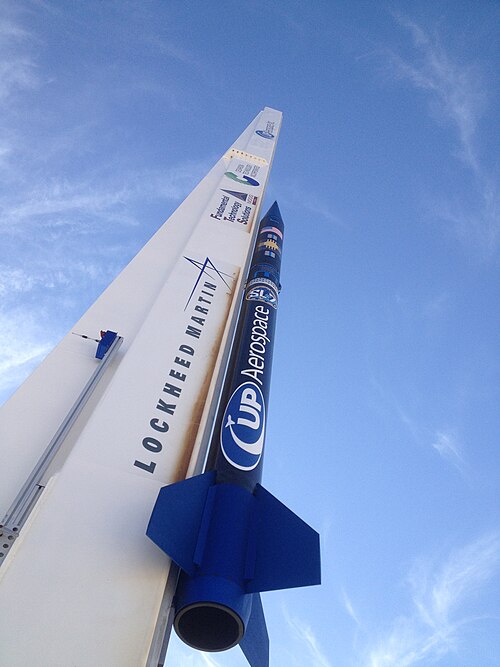
Image Credit: Leslie Williams, Public domain, via Wikimedia Commons
For those who prefer a space experience that includes a symbolic journey and a return of the flown capsule, Celestis offers its Earth Rise Service, powered by SpaceLoft XL. Developed by UP Aerospace and launched from Spaceport America in New Mexico, this rocket carries the payload to the edge of space, above the Kármán line, before returning the payload to Earth via parachute.
What makes the SpaceLoft XL flights so unique is the ability for families to attend the launch in person, watch their loved one’s remains cross into space, and later receive the flown capsule back as a keepsake. It’s a blend of awe, connection, and closure that few memorial services can match.
Falcon 9 and Falcon Heavy: SpaceX Joins the Mission
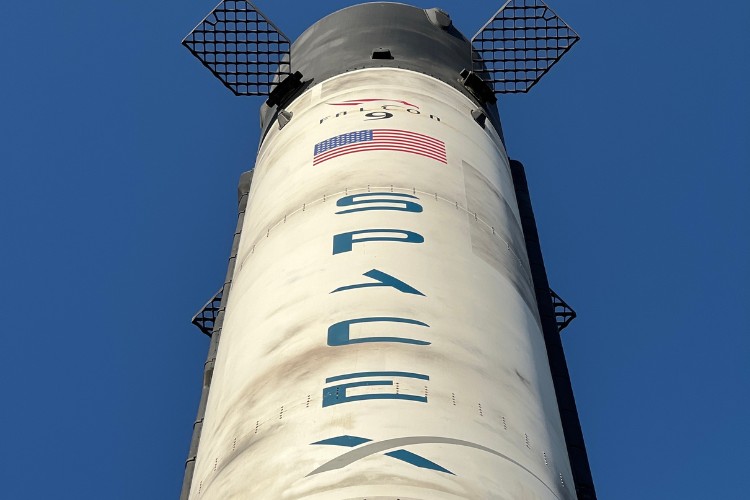
The commercial space industry has evolved rapidly, and SpaceX has played a major role in making space more accessible, not just for satellites and astronauts, but also for space memorials.
Celestis has utilized Falcon 9 rockets for several Earth Orbit missions, which have expanded the number of people who can participate in a space memorial service. Falcon 9’s reliability and launch frequency have allowed Celestis to offer more opportunities for families to plan and schedule memorial flights with greater flexibility.
For deeper space journeys, Falcon Heavy has become the preferred vehicle. Its immense lift capability makes it ideal for Celestis' Voyager Service, which places cremated remains on trajectories that leave Earth’s orbit entirely, entering long-term heliocentric (sun-centered) orbits.
These launches signify more than technological growth—they reflect a cultural shift, where commemorating life beyond Earth is becoming a viable and deeply symbolic option.
Vulcan Centaur: A New Era Begins with the Enterprise Flight
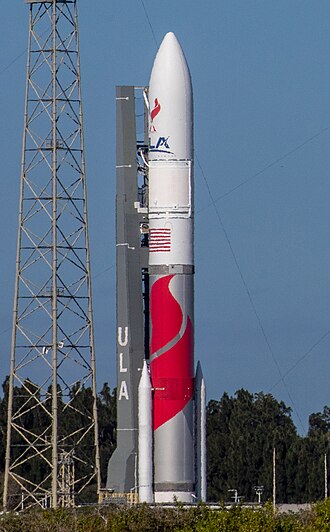
Image Credit: NASA/Ben Smegelsky, Public domain, via Wikimedia Commons
In January 2024, the inaugural launch of United Launch Alliance’s Vulcan Centaur rocket carried Celestis’ Enterprise Flight into deep space. This mission was especially notable, not only because it marked the debut of a new heavy-lift launch vehicle, but also because of who was on board.
The Enterprise Flight included symbolic remains and DNA samples from global icons such as:
- Nichelle Nichols ("Lt. Uhura" from Star Trek)
- James Doohan ("Scotty" from Star Trek)
- DeForest Kelley ("Dr. McCoy")
- Hair samples from U.S. Presidents George Washington, John F. Kennedy, and Dwight D. Eisenhower
Once complete, this mission will establish Enterprise Station, a permanent memorial in heliocentric orbit. Vulcan Centaur opens a powerful new chapter in Celestis’ journey, enabling more deep space flights and making a final journey into the cosmos even more accessible.
Comparing Celestis Rocket Missions at a Glance
| Rocket | Provider | Service Type | Destination | Return to Earth | First Use by Celestis |
| Pegasus XL | Orbital Sciences | Earth Orbit | Low Earth Orbit | No | 1997 |
| Athena II | Lockheed Martin | Lunar Memorial | Moon (NASA payload) | No | 1998 |
| Taurus | Orbital Sciences | Earth Orbit | Low Earth Orbit | No | 1998–1999 |
| SpaceLoft XL | UP Aerospace | Suborbital (Earth Rise) | Edge of Space | Yes | 2007+ |
| Falcon 9 | SpaceX | Earth Orbit | Low Earth Orbit | No | 2020s |
| Falcon Heavy | SpaceX | Deep Space | Solar Orbit | No | 2020s |
| Vulcan Centaur | United Launch Alliance | Deep Space | Heliocentric Orbit | No | 2024 |
Why Rocket Selection Matters in a Space Memorial
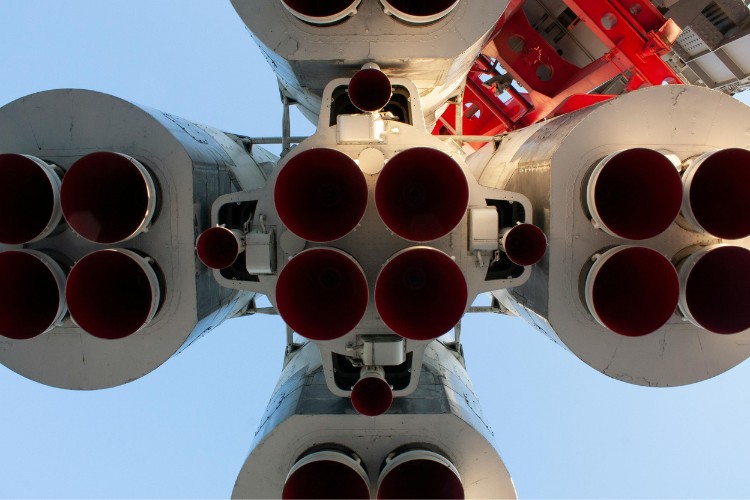
The choice of rocket directly affects the type of experience received. Whether your goal is a short suborbital journey, an orbital tribute, or a deep space memorial, the vehicle plays a central role in determining the flight profile, destination, and emotional experience. Celestis works closely with each family to select the right flight, making sure the memorial aligns with the wishes of the departed and the dreams of their loved ones.
Each rocket also represents a chapter in the evolution of space memorials, and in the story of how we commemorate lives in an increasingly connected and awe-inspiring universe.
A Final Journey Among the Stars
From the pioneering Pegasus XL to the powerful Vulcan Centaur, every rocket that has carried Celestis memorials has helped redefine what it means to honor a life. These missions go beyond science and engineering—they represent humanity’s desire to connect, explore, and remember in the most profound way possible.
Whether you envision a return-to-Earth suborbital tribute or a permanent journey beyond the Moon, Celestis offers services that combine innovation, dignity, and personalization.
To learn more about upcoming space memorial flights and explore how you can honor your loved one through an unforgettable cosmic tribute, visit Celestis.com.
Let their legacy rise, into the sky, into orbit, and eternity.


